Accuracy Review & Edit: Nicole Wanner, DVM - September 28th 2021
Table Of Contents
- What is Hydromorphone?
- What is Hydromorphone used for in dogs?
- Hydromorphone dosage for Dogs.
- Side Effects of Hydromorphone.
WHAT IS HYDROMORPHONE?
Hydromorphone for dogs is an opioid medication that acts on the central nervous system (CNS) to relieve pain.
As a derivative of morphine, it has similar effects but is approximately two to eight times more potent with a shorter duration of action and greater sedation.
As a schedule II narcotic, Hydromorphone is only available with a prescription from a veterinarian.
WHAT IS HYDROMORPHONE USED FOR IN DOGS?
Hydromorphone for dogs has several different uses in veterinary medicine, including as a sedative, an analgesic to treat moderate to severe pain, and preoperatively to reduce the pain sensation of surgery.3 Another drug veterinarians prescribe for pain is tramadol for dogs.
It may also be used, off-label, for suppressing the cough reflex within the brain.4
HYDROMORPHONE DOSAGE FOR DOGS.
Hydromorphone may be administered orally or by intravenous (IV), intramuscular (IM), or subcutaneous (SC) injection. When administered by injection, the typical dosage for dogs is 0.10 to 0.20 mg/kg (0.05 to 0.10 mg/lb).
When taken as an oral tablet, it is available in either the immediate or extended-release variety.
The extended-release form of the tablet should not be crushed, chewed, or dissolved as it will lead to a quick release of the full dosage, which could potentially cause an overdose.4
SIDE EFFECTS OF HYDROMORPHONE.
As a powerful opiate drug, some animal patients may experience certain side effects. Side effects in dogs are generally dose and route of administration dependent.
Common side effects associated with Hydromorphone are:
- Sedation
- Nausea
- Lethargy
- Constipation
Additional side effects witnessed in dogs include:
- Vomiting
- Defecation
- Panting
- CNS,respiratory, and cardiac depression.
ALTERNATIVES
- Nonsteroidal anti-inflammatories – Motrin, Advil, Excedrin, and Aleve
- Acetaminophen – Tylenol, Panadol
- Non-Opioid Prescription Drugs - ibuprofen (Motrin), acetaminophen (Tylenol), aspirin (Bayer), and steroids
- Localized numbing of problem areas – injection of anesthetic
- Non-Drug Treatments – ice, massage, heat pads, and acupuncture
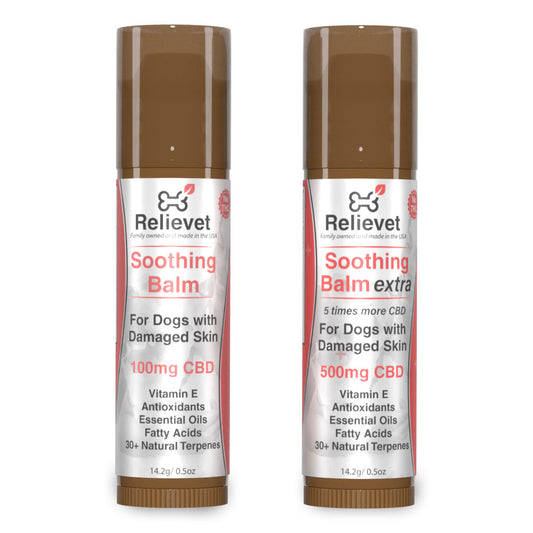
- CBD - The Cornell University Arthritis Study found that activity scores showed a significant decrease in pain and increased activity at both week two and week 4 of CBD treatment compared to week 0 and the placebo group. CBD has the potential to give your suffering dog a better life.