
You sit at home with your dog, knowing it is almost time for the last bathroom trip before bedtime. You hesitantly watch the clock move forward, thinking that a needed trip outside might hurt your canine companion.
You just gave him some medication a couple of hours ago, and you are hoping it will kick in anytime. You hesitantly call your dog to the door and watch as he slowly picks himself up off the ground. You hope that Galliprant is going to make a difference in your pup.
In this blog, we take a look at Galliprant for dogs. We will cover what it is, its safety, the side effects, the recommended dosage, and explore some natural alternatives.
Table Of Contents
- What is Galliprant for dogs?
- Is Galliprant safe for dogs?
- Galliprant side effects dogs
- Galliprant dose chart
- Galliprant alternative for dogs

What is Galliprant for dogs?
Galliprant is an NSAID (Non-steroidal anti-inflammatory drug) that reduces inflammation, reduces fever, and relieves pain. In dogs, NSAIDs assist in controlling signs of arthritis, including inflammation, swelling, stiffness, and joint pain.
Veterinarians often prescribe Galliprant for osteoarthritis (OA) as well as post-operation pain control.
Galliprant is always taken orally with or without food. The NSAID is fast-acting and should show results within a couple of hours and last for a few days.
Is Galliprant safe for dogs?
Galliprant is safer than traditional NSAIDS as it works at a slightly different point on the inflammatory pathway. The effect is that the medication reaches the body at a later point in the inflammatory pathway reducing inflammation and pain. Most NSAIDs work by blocking cyclooxygenase (COX), while Galliprant blocks some prostaglandin.
Galliprant is safe for everyday use, but lower doses are required for long-term applications. Owners should consult their veterinarian before changing the quantity, particularly if the amount is being increased.
Additionally, veterinarians will do a baseline test of kidney and liver functions before starting long-term treatments of Galliprant.
Galliprant Side Effects Dogs
Common side effects seen with the use of Galliprant in dogs may affect the kidneys, liver, and gastrointestinal tract and may include:
- Diarrhea
- Decreased appetite
- Decreased activity level
- Lethargy
- Soft stool with mucus
- Vomiting
- Watery or bloody stool
Galliprant Dose Chart
Dose 0.9 mg/lb. (2mg/kg) once daily
| Weight in pounds | Weight in kilograms | 20 mg tablet | 60 mg tablet | 100 mg tablet |
|---|---|---|---|---|
| 8-15 | 3.6-6.8 | 0.5 | ||
| 15.1-30 | 6.9-13.6 | 1 | ||
| 30.1-45 | 13.7-20.4 | 0.5 | ||
| 45.1-75 | 20.5-64.0 | 1 | ||
| 75.1-150 | 34.1-68.0 | 1 | ||
| 150.1-220 | 68.1-100.0 | 2 |
Galliprant alternative for dogs
NSAIDs – Other NSAIDs may be used in place of Galliprant. For instance, Rimadyl, Metacam, Deramaxx, Previcox, and Onsior can all be used to treat inflammation. Once again, your vet will test blood levels before and during use to ensure kidney and liver damage don't occur.
Gabapentin for dogs - Gabapentin is an anticonvulsant drug used to treat anxiety, pain, and seizures in dogs.
Companion Therapy Laser - The Companion Therapy Laser is a Class IV deep tissue laser that uses intense light particles to penetrate tissue deeply and stimulate cells to heal.
Supplements – Supplementing nutrients is another alternative treatment option for Galliprant. Nutrients like Omega-3 fatty acids are known to improve joint fluidity. Other supplemental options to consider instead of Galliprant are glucosamine and chondroitin.
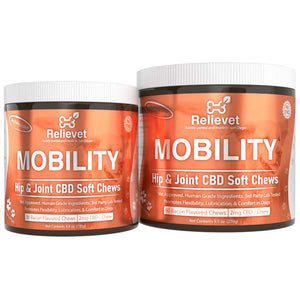
CBD oil for dogs with Arthritis- In several inflammatory-induced chronic pain models, cannabinoids, including CBD, may exert analgesic and anti-inflammatory effects. Barbara Costa of the Department of Biotechnology and Bioscience, University of Milano-Bicocca, did a study and found that CBD has substantial anti-inflammatory effects.
The anti-inflammatory properties of CBD may help your dog all naturally battle pain, stiffness, and swelling in the joints, allowing your best friend to live with less pain. However, the product you pick can have a significant impact on your chances of success and even dictate if you're likely to see side effects or not.
If you'd like to learn more, look at the following article.
Popular Products












Biscuit's Story

To say Biscuit lived an active life would be an understatement. Unfortunately, at the age of 10, she started to limp after trips to the dog park.
It broke my heart to see her in pain doing what she loved the most. I started feeding her a raw food diet and added high-quality supplements to ensure her nutritional needs were met. Unfortunately, while she loved the food, the limping persisted. I decided to go to the vet. They quickly diagnosed her with osteoarthritis and prescribed a drug to help.
Her limping stopped, and she was in less visible pain. For the first week, it seemed that this was the solution. A few days later, it was to my absolute shock that she...
Recent Posts:


CBD Oil for Dogs in Thunderstorms


CBD for IVDD in Dogs – Does It Work?


CBD for Dogs with Cancer


CBD for Cats with Cancer


CBD for Dogs with Hip Dysplasia


CBD Oil for Cats with Kidney Disease
Read on to find out if CBD oil can help cats with kidney disease.


CBD for Aggressive Dogs


CBD for Dog Pain


CBD For Dogs Anxiety


CBD Oil for Dog Seizures